
Photo Essay: A Day Tracking Fossil Fuels

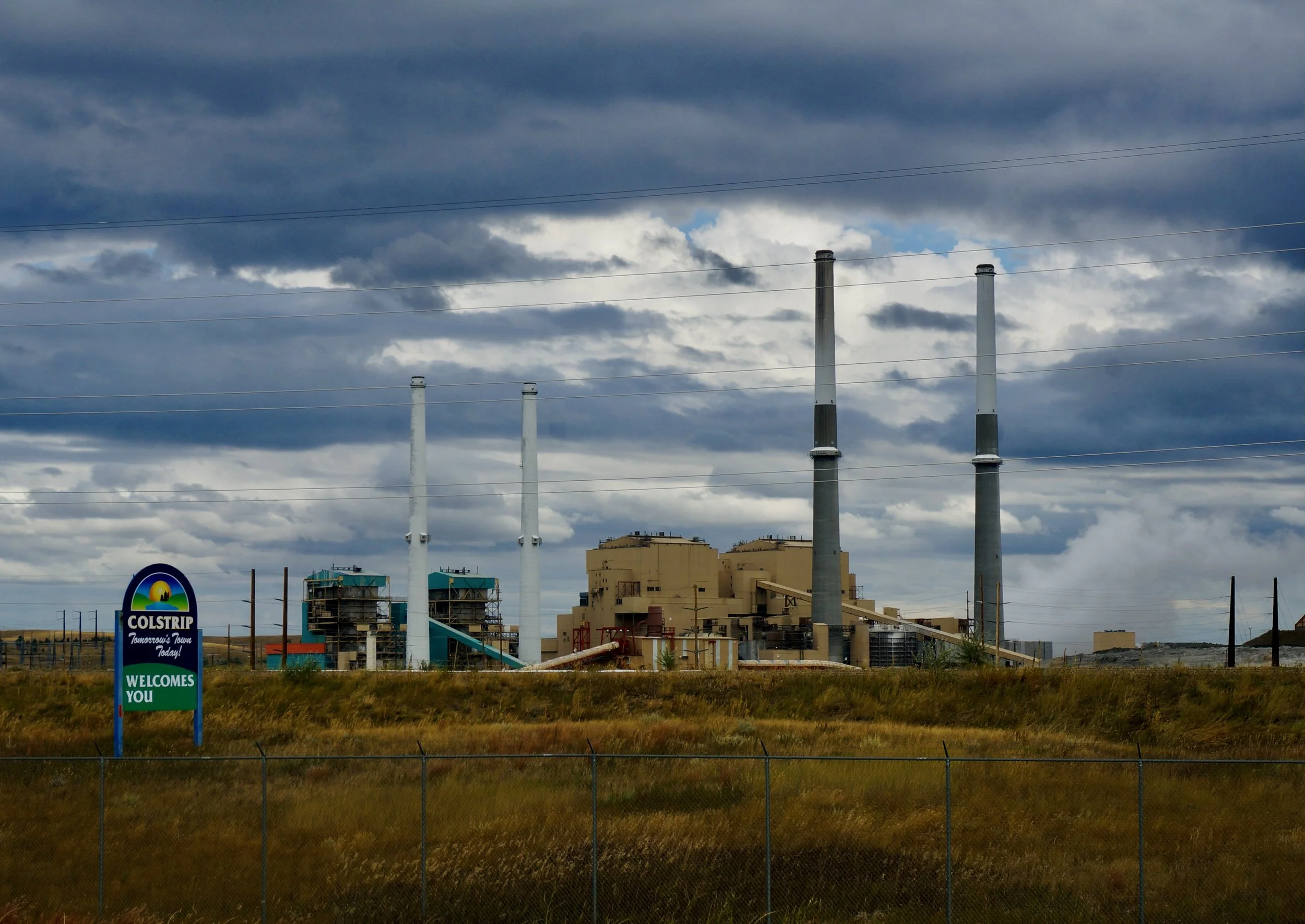
Colstrip: “Tomorrow’s Town Today!”
It’s easy to forget the foundations of Montana, once known for copper kings who battled for control of state government and controlled the local press, all while churning out the metals used to conduct current in the electronics employed in a second industrial revolution. Economically fueled by tourism today, Bozeman, in a state of almost 150,000 square miles, is a historical exception. In some of the least populous areas of Western states, mining and fossil fuel extraction still account for a majority of economic activity. Still other areas have become modern ghost towns, as market demands shift away from an economy of the past.
This piece isn’t an exploration of the worth of continued fossil fuel extraction. This is a photo essay showing a reporting trip I recently took for a different publication, and the visuals behind your car’s gas or your home’s electricity.
Many I talked to on a trek that compelled me to drive over 500 miles in a day have their own opinions, which are explored in depth elsewhere; but no matter how you weigh the extensive environmental impact of fossil fuels and their enormous economic boons for small communities, the fact remains that fossil fuels exist, and we live in a country that has pivoted to embracing them.
And so I found myself following the roads that follow the older railroads from the heart of the biggest town in Montana to those with mere thousands of residents.
Student athletes at Gallatin, who have travelled on I-90 to Billings painfully early in the morning or late at night, most likely see billowing fire and flashing lights as they near Laurel’s oil refinery. The complex conglomeration of metal that produces these sights is one of three oil refineries in Yellowstone County.
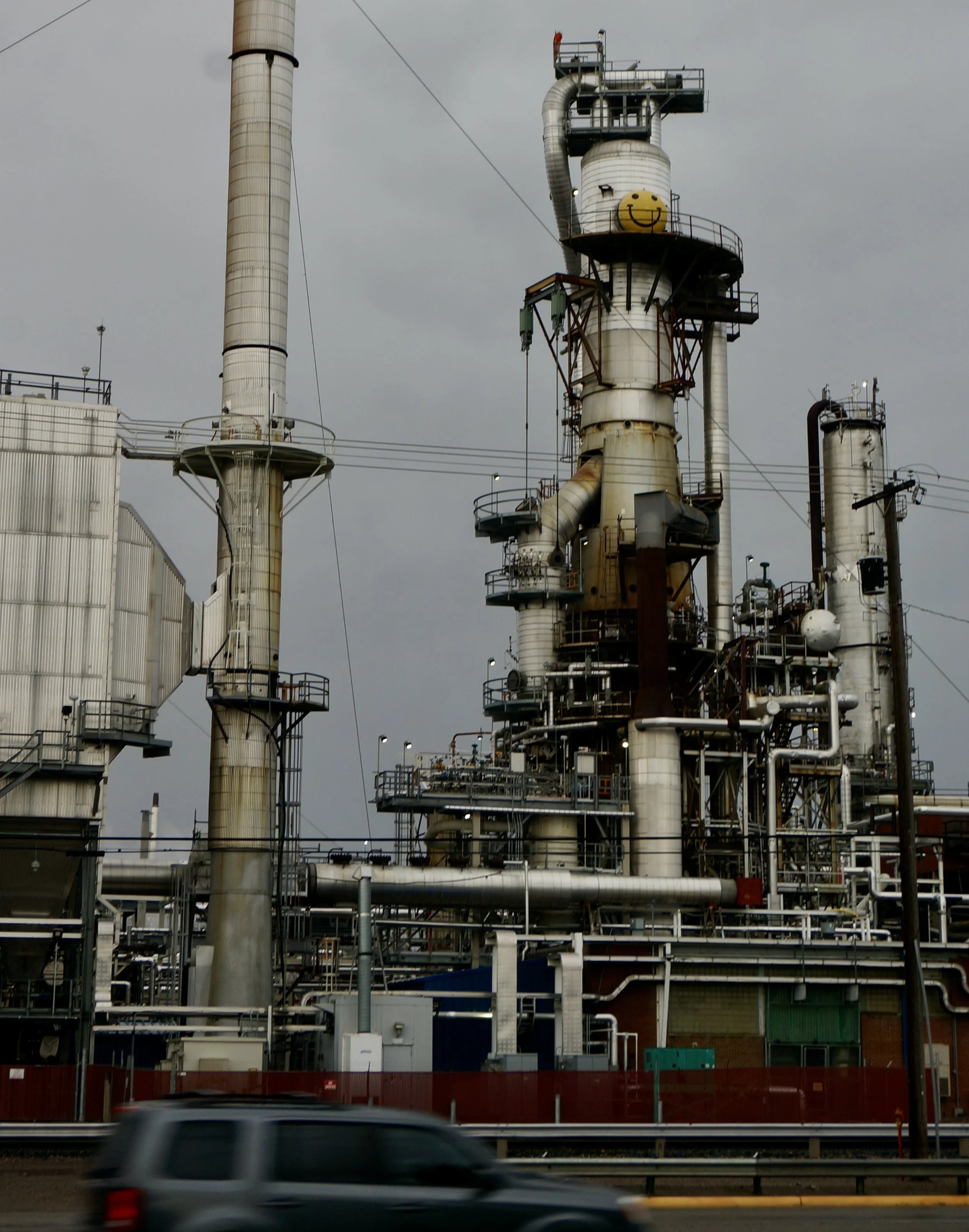
Laurel oil refinery. Photo by Ezra Graham.
Perhaps some students have competed against Laurel’s high school students, the “locomotives,” branded with a non-threatening mascot, yet firmly rooted in history; a BNSF rail yard is another source of revenue for the town, with coal, lumber, and oil transported along rusty tracks.
Yellowstone County’s two other facilities can be found in Billings, where smoke and water vapor is what alerts drivers first. Summitting an overpass while skirting the edge of the city, the refineries blink into sight–and then onwards to coal country.
About ⅓ of America’s coal lies beneath Montana. An estimated 74 billion tons of coal exist deposited in Earth’s seams. It’s situated in the Powder River Basin, a region that hosted flooding and the deposition of plant and organic materials.
An unassuming detour off the interstate onto an old Montana state highway took me to the epicenter of the debate surrounding coal. Boxcars, colored with graffiti, create a leading line down the basin, which hosts billowing, dead grass during Summer’s end.
Then, the railroad seemingly points, and you see monumental structures, reminiscent of Anaconda’s smelter or the Washington Monument in size. The four units with their smoke stacks are seen from all points of Colstrip, Montana: from the mine their material is sourced from to the town’s lake, nestled into a hill.
The structures are looming, and how the town’s roughly 2,100 residents have become so accustomed to the imposing structure speaks to how connected they are to the concrete. Almost everyone I talked to in the town had some connection to the coal plant or the mine.
Driving home that night, I passed over a valley of coal reserves, then back to oil pipelines and gleaming refinery lights. Deep inside the facilities, oil still flowed, oblivious to the national debate that is so deeply connected to the small pockets of our state.
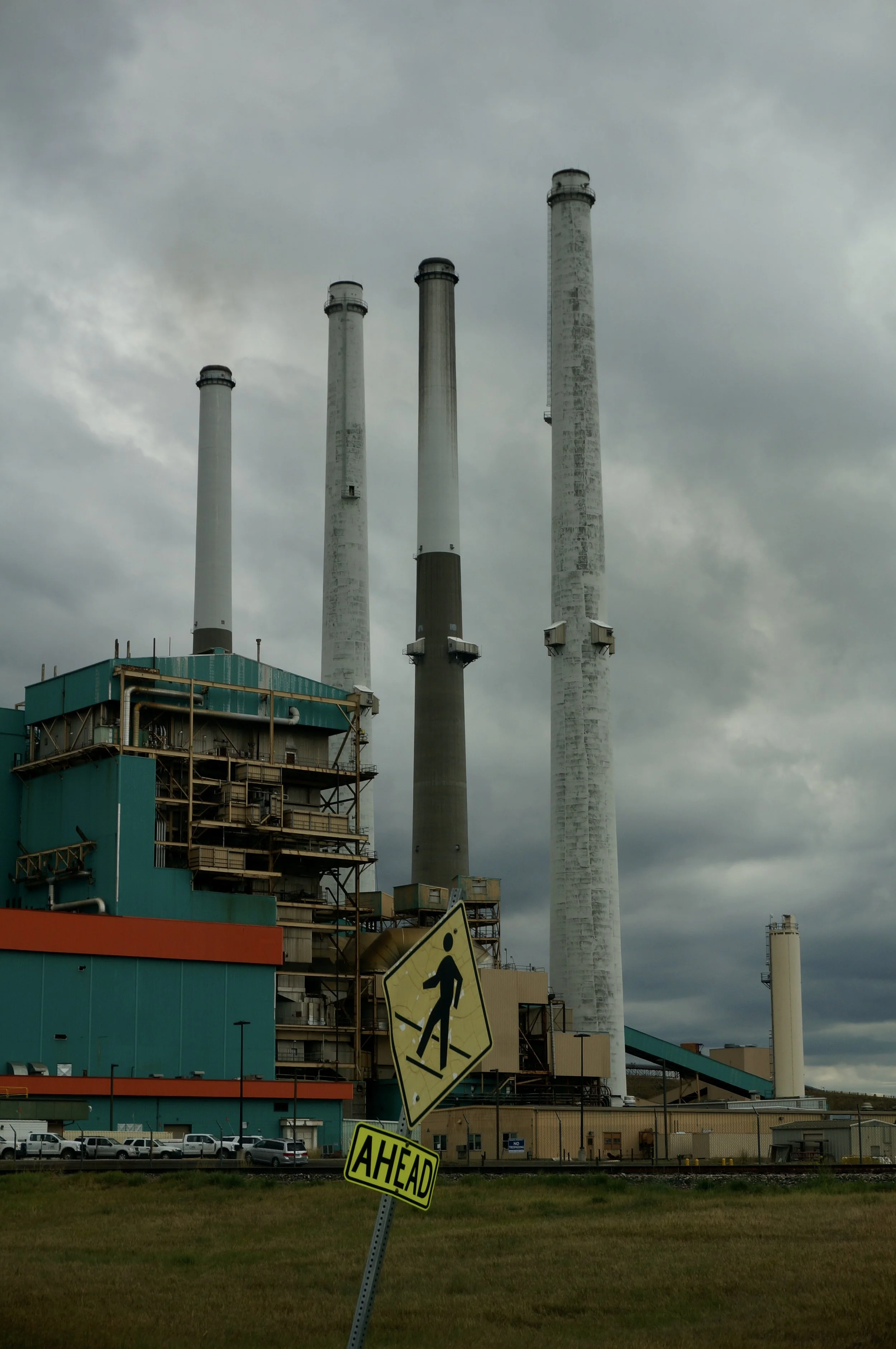
Colstrip’s power plant as seen from the edge of town. Photo by Ezra Graham.
