
House District 1 Election Guide

Interviews for the June 2 House primary election have been edited for clarity and are ordered chronologically. All filed candidates were contacted for an interview.
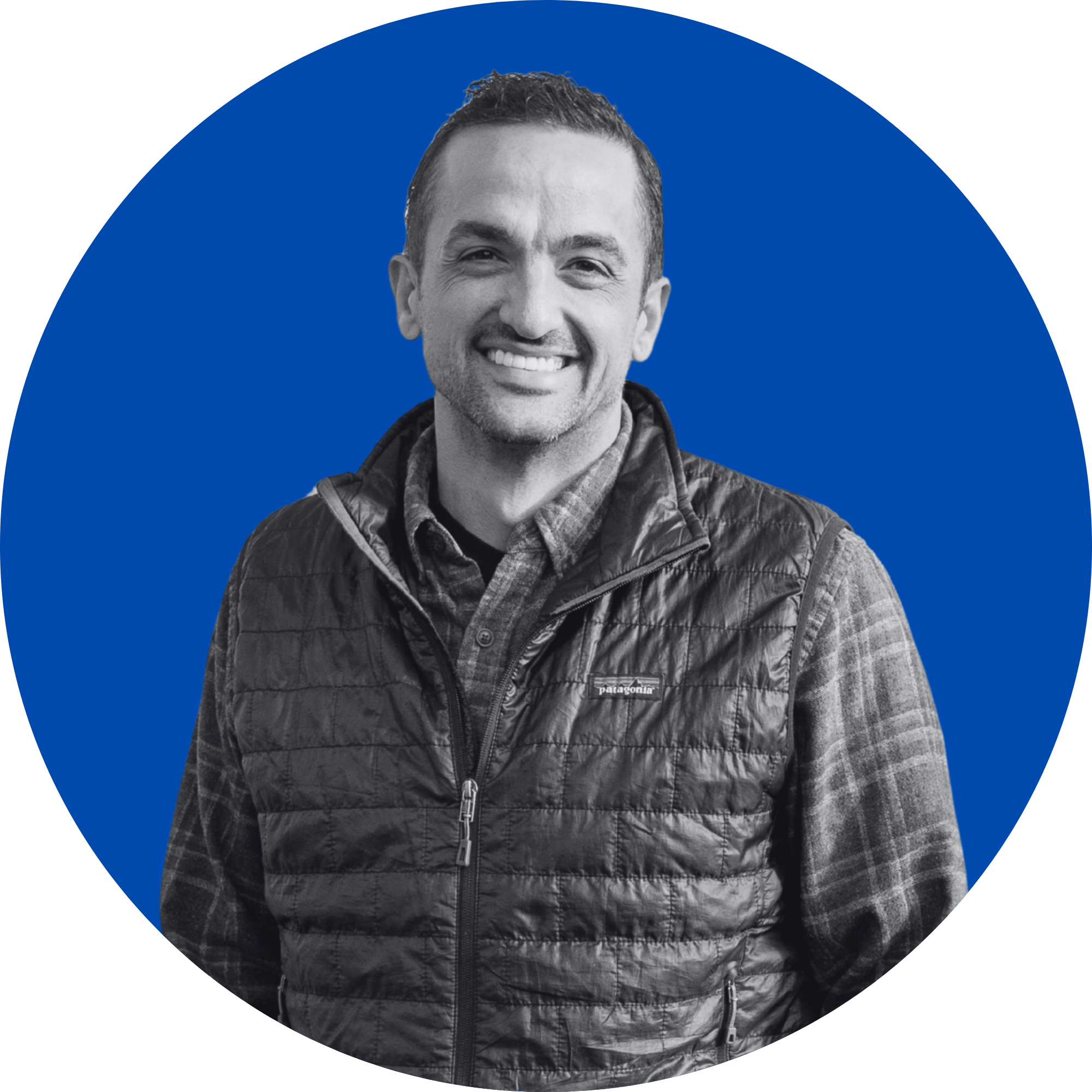
Russell Cleveland
Democrat
-
Q: Just to start off, a lot of candidates in this race distance themselves from the national Democratic Party. But I think you do something interesting and you label yourself as an ‘Independent Democrat.’ What does that mean to you?
A: Yeah, a couple different things. The first is accepting that the national party itself doesn't necessarily match what a Montana Democrat looks like. Especially now more than ever, the national party has lost touch within the last couple elections with working class values. Some of the things that are important to kind of the blue collar Democrat, the old school Democrat, if you will, that Montana is known for with our deep history in Butte and some of these other strong union areas. But it's also, embracing the fact that this party mentality, this two-party system, and this ideology that we're loyal to party before people doesn't work for me, and it doesn't work for most Montanans. So by saying an independent Democrat, what that means is, look, if it doesn't work for the people of Montana, then it doesn't work for me, even if it's what the party wants, if that's not what my constituency needs, then you need to understand I'm not going to side with you just because you're the Democratic Party. I'm going to side with my constituency. I've chosen to represent my campaign with a white buffalo [instead of] the donkey. You'll have some fun looking into some of the Native American connotations [of the white buffalo], but it symbolizes healing and bringing people together. And I think our country as a whole is in a time when we are in need of some serious healing and less divisiveness. And so the idea is this is that time, especially in Montana, where we're now on the map, where we haven't been for a long time, meaning a lot of industry is looking to move in here. Prices are more expensive than ever. It's becoming a destination location. But culturally, the values that are important to Montana should remain a part of where we go in the future.
Q: On the point of differentiating yourself from other candidates, you do so through talking about your character and your background, but if you had to do so based on policy, what would be your specific policies?
A: I do consider myself a servant leader. But through that, what's really important to me is this idea of transforming health care as a whole. But I don't think we get there until we cut out the toxicity of money in politics first. And so one of the biggest differentiating factors is that I'm individual contributions only. Not some PACs, not any PACs, not some special interest groups or any special interest groups, which a combination of the other candidates have. We need to go back to the people having not only the strongest voice, but the only voice. I'm a big, universal childcare proponent. There's some other candidates running that have spoken about childcare. I actually ran, started and ran a childcare company for the last 10 years. I understand the struggles of cash flow in running a small business. So it's just true professional and life experience that differentiates me from these other individuals running.
Q: Our community at Raptor Report is interested in how candidates are going to address the affordability crisis and then also what they're going to do to impact public schools. You've advocated for a living wage for public school teachers, but a living wage means different things, even in different municipalities in Montana. So what does a living wage mean for you, and how do you think about implementing it at a federal level?
A: One thing I've made pretty clear is we have to be careful to blanket raise the federal minimum wage, because ultimately, what happens is it hurts small businesses. So I flipped the table over and said, all right, we should be looking at how we hold corporations accountable where the most wealth is and pump money into their working class first. So what that looks like to me is a 50 to 1 ratio cap on executive to frontline worker wages in corporations. [You’ll] have a $900 million a year CEO being forced to drop their wages or bring up their working class wages to be no more than 50 times their lowest paid employee. That puts the productivity and profit of that company back in the hands of the people who are creating it. And so small businesses see more business because people have more money to spend. And so now the small business owners can also increase their workers' wages as well. It's a little bit more of a gradual increase in those wages versus saying, everyone needs to make $20 an hour or higher on a federal minimum wage, and you'd see a massive closure of small businesses across the economy.
Q: I want to pivot towards health care now. And this is a very central part of your campaign. Tell me more about why that is and the personal story behind that.
A: This orange bracelet is part of what was a rally cry for my oldest daughter when she was diagnosed with leukemia at the age of 12. She fought hard for eight months, [but] ultimately succumbed to leukemia and passed at the age of 13 in August of 2020. So we saw the ugliest side of not only disease and how desperately we need to invest in medical research in this country, but also the even uglier side, which is our insurance part of our healthcare industry. That first bill for us after our insurance, which we had the best insurance we could buy as small business owners, we had a company of almost 200 employees at that time. I believe we were on United Healthcare at that time. And our bill was still over $300,000 for one month. Then a couple of years later, we went through a similar situation with my youngest daughter. We moved back to Montana after Madison passed. And my youngest daughter was diagnosed with a different rare lung disease called pulmonary capillaritis. It's curable, but there's only one medication that can cure it. It took us 18 months of fighting that insurance company for them to finally cover that medication. But in the interim, she needed a dose every month. That medication cost over $10,000 a dose, and it's only a few hundred dollars to manufacture it. And so again, I was struck with this massive amount of anger of seeing corporate greed at its finest in the pharmaceutical industry. Fast forward to last year, 2025, one of the first things that DOGE and the Trump administration cut was pediatric cancer research, NIH across the board, medical research. But one of the biggest hit in that group was pediatric cancer research. And so that was my catalyst in deciding to run. I'm tired of us treating medicine like it's a Wall Street business. I'm a believer that healthcare is a human right. Your ability to achieve great health care in this country should not depend on how affluent you are, what part of the country you live in, whether you can have full-time employment or part-time employment, how many kids you have, how many previous injuries or diseases you've had.
Q: You've advocated for an improved version of Medicare for All. What does that mean?
A: Medicare right now doesn't cover everything. So what we'd have to look at is there's zero premiums, 0 co-pay, medicine's covered, basic healthcare is covered, those extenuating surgeries, diseases is covered. But we also need to cover things like mental health, dental and vision. When you factor in rural transport, one of the biggest costs for families like mine when Madison got sick is you have to go see a specialist. And oftentimes you have to stay in that area near that hospital to receive ongoing treatment. But there's no support for a second rent, for example, or a second set of utilities. You have to either uproot your whole family and hope that you could find a job in that area where that treatment is or run two separate households. In places like Montana, if you're in Scobie, Montana, and you need treatment of some kind, you're going to Billings, you're going to Bozeman, you're going to Missoula or maybe Salt Lake City or Denver or Seattle. Who's going to cover that cost for you? Insurance should be what kicks in. The way our insurance market is set up is to deny you, not to support you. And so by us saying insurance is cut out, this is where our government plan comes in and effectively their job is to make sure that you have the treatment you need. But we also have to make sure that we're holding accountable providers to where they're not charging the system itself excessive amounts that is taking advantage of that system as well.
Q: How has Ryan Zinke's withdrawal from the race impacted your campaign, if at all?
A: Not a whole lot for me because I started so long ago and was building relationships in the 12 counties that aren't blue already. Montana is roughly 39% to 41% Democrat. You have to pull in, as long as there are only two people, 51%, to win. So the only way to achieve that in this state is to bring on independents and moderate conservatives. If anything, his departure has actually improved that because people are less likely to blanket vote for a Republican if they're not an incumbent.
Q: What would you do to promote affordable housing?
A: Ultimately, we have to have more quantity. If the supply is low, demand will always be high, which goes to the highest payer. We need to look at what are realistically some of the drivers of that cost. Oftentimes, it's realtors that are setting what the market rate is. We don't want a corporate model like we've seen in this country to be able to drive things that the average person in a residential market doesn't have control over. So there's a regulatory side through mechanisms like that. But I also think there's an improvement in the supply side by creating funding systems that can help provide grants and builder incentives to municipalities. Most housing is actually controlled at a state and municipal level, not a federal level. But the money is at the federal level.
Q: What steps would you take to mitigate climate change?
A: Right now, the only ones who control policy are the ones that are bought and paid for by corporations that are responsible for climate change. Ryan Zinke was a lobbyist for ConocoPhillips. If we're going to continue to allow corporate sponsorship of political representation, we're not going to see any change in protections for the environment. The difference is that in Montana, we have a state constitution that guarantees us the right to a clean and healthful environment. The Trump administration has unraveled the EPA. So, is there any actual way to test a standard to hold companies accountable to, say, that they're not providing us that right? We know there's an oncoming wave of energy demand with AI and some of these other things. Ultimately, if we want to move forward, it needs to be on a path that is additive in nature and includes things like more wind, more solar, and what have you.
Q: What is the federal government's role in regulating or funding education?
A: We've been operating on a 1940s model, and it's long overdue for a revamp. I think [the Department of Education] needs to be more of a Department of Youth Development that is inclusive of childcare. Part of that is universal pre-K. I see the connection, having worked in that industry for over a decade. There is no doubt that the kids who do not have access to it struggle more in school. We have to create this model of youth development that includes childcare opportunities not run by the government, but funded by the government, which then supports small businesses. [My plan also includes] revising models in elementary, middle, and high school that better prepare and retain a workforce of quality educators. And then finally, for me, it revises those final two years of high school, which takes the junior and senior year and gives students a pathway to graduate with an associate's, cutting their student debt load for a bachelor's in half. Or if you don't want to go to college track, knowing that many of these careers are going to be absorbed by AI, you can go a trade route and complete your apprenticeship during your junior and senior years. So now you're a 19 or 20-year-old working as an electrician journeyman making $80 to $100 an hour instead of $10 an hour at a coffee shop. That reduces the 10% homelessness population that we have from ages 18 to 24.
Q: How will receiving an associate’s degree work in rural areas? Would it be completed online?
A: We're in St. Regis. Both of my kids will graduate with an associate's. I think their university they partner with is Providence out of Great Falls, but it's an online school. High school teachers become a mentor in that process instead of having to teach you the course now and in two years you're going to go take it again at MSU, but this time you're going to take on student debt. We're duplicating a lot of the work, whereas I feel like we can make the whole process much more efficient. Then instead, we're looking at people that can pursue professional degrees or graduate work that may improve our overall education level as a country because you have more people in their young 20s that are saying, ‘I'll stay in school for two more years and become, a master engineer, or doctor, or biochemist.’
Q: Would you be in favor of a moratorium on fossil fuel extraction on federal public lands?
A: Absolutely. Any of those moratoriums that are preservative in nature, I think, would be beneficial to the American public for decades to come.
Q: Anything else that I haven't really asked about that you think is important?
A: We didn't talk a lot about public lands. That's a pretty important one to a lot of Montanans. There's an effort to offload assets right now. They're teeing it up to look like it's to help pay national debt. It's all about resource extraction. I'm a big proponent of public lands need to stay in public hands, but that means also not transferring them to state ownership because states like Montana have such a mass amount of public lands that absorbing that amount of management responsibility would cripple our state budget. It has to stay federal. And that also means we need to adequately fund the workforces that are doing that, whether it's Forest Service or Park Service. I also think we need to put in perpetuity at least 100 year moratorium on the sale of these. And right now we're seeing an attempt to privatize these every six months at least, it seems.
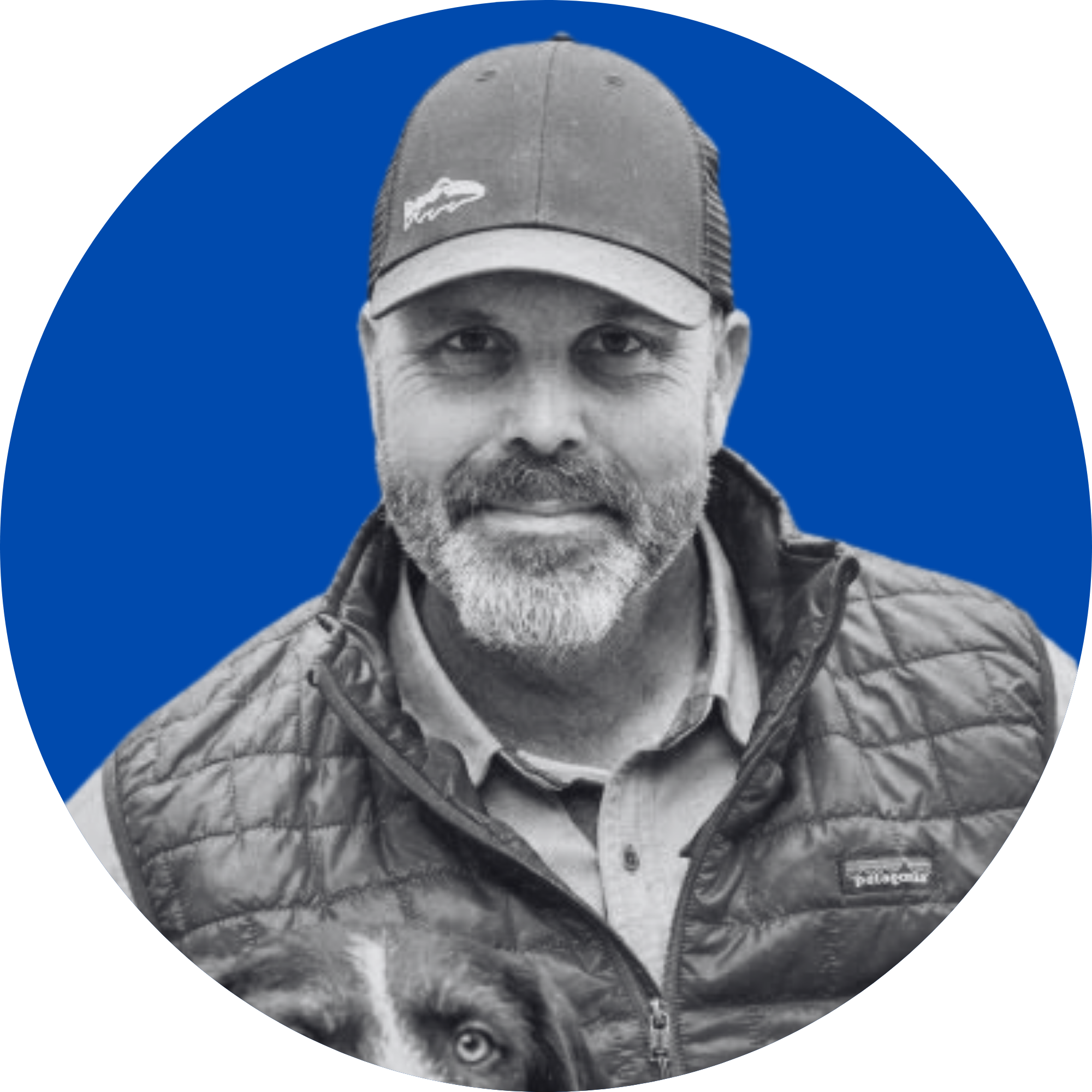
Ryan Busse
Democrat
-
Q: You support corner crossing. If you are elected to Congress, would you seek to introduce legislation to federally legalize corner crossing?
A: Yes, absolutely. Public property is everybody's. It's ours. We should have access to it. And it should not be blocked by something as antiquated as illegalizing corner crossing.
Q: How does your experience running against Greg Gianforte impact the way you're campaigning right now, if at all?
A: I understand and I've been vetted by the fire of Republican politics. I've run a statewide campaign. I'm used to being called names in political ads. It doesn't shock me. Running a statewide campaign like that teaches you things. You figure out what you've done right, what you've done wrong. It's proven that we can raise money. And that's Sadly, that's an important part of a successful campaign. Also, we have a lot of statewide loyalty from people who we've developed those relationships with in the last election. We still see our orange stickers on cars and trucks around Montana. Many people in Montana that end up winning elections like Bryan Schweitzer, they lose an election first before they go win because they take what they've built and use that momentum to win the next one. So that's what we're doing here.
Q: A poll conducted by Tulchin Research gave you a 15-point lead against any other Democratic candidate in the race. They also put out a poll that I've heard you cite as a reason for joining the race in the first place. Is your campaign working with that research agency or funding that research in any way?
A: The poll that was ran first was not paid for by us. There's a handful of established Democratic polls polling operations, and we have hired Tulchin. Our campaign paid for [the second] poll. But it's a vetted release poll, just almost all other campaign polls are. So yes, they are our pollster.
Q: How has Ryan Zinke's withdrawal from the race impacted your campaign, if at all?
A: I think it will eventually impact it in general. I don't think it's impacted much about [the] primary. There's going to be a Republican opponent. [It] seems like the Republicans want it to be [Aaron] Flint. Obviously, how we run against Flint will probably be different than how we would have run against Zinke, but we're not running against him yet.
Q: And when you say it might change something in general, do you think that this increases the odds of a successful Democratic campaign?
A: All the folks who pay attention to elections across the country say that when you have an open seat like this, it's more winnable. We felt good about our chances of beating Zinke. I think that the conditions of the campaign now are changing. I think this Iran war is making things more urgent, more tenuous for Republicans.
Q: Do you support a rise to the federal minimum wage?
A: Absolutely. Should have been adjusted for inflation just like everything else in our country years ago.
Q: As you're out campaigning and since the advent of the war in Iran, what are Montanan’s telling you about how they view it?
A: It's a huge deal. People are scared. Obviously the repercussions are gas prices and probably inflation. [This interview was recorded on April 7] As of today, we've only started to feel the impacts of the increased fuel prices. I think we're likely to experience more of that and a recession. And so that's going to be very deleterious to the people, especially working people. That's wrong, but also people feel betrayed because they were told that we would not get into a foreign war. And Iran was often mentioned as the country we would not invade. And so a lot of, especially crossover, independent, and Republican voters feel betrayed by that broken promise. I think they have good reason to feel that way.
Q: Let's just say we're in a far worse economic state after the election. What's the role of Congress in either bailing out or providing for stimulus for Americans at that point?
A: When and if we have to take economic measures like that, we should make sure that they're focused on working people and folks at the bottom half of the economic ladder. There was too much inflationary pressure and fraud and abuse in the last round of payments. I understand why some of it had to be done, but I think we should be more careful. We should make damn sure it doesn't enrich people who are already wealthy, that it goes to folks who need it.
Q: What would you do to promote affordable housing?
A: I think there's a myriad of public policy that needs to be shifted towards affordable housing and away from making the wealthiest corporations more wealthy. For instance, there needs to be more aggressive first-time homebuyer assistance that locks in low interest rates for first-time homebuyers. I'd like to see more federal funding on studying modular homes as a way to increase affordable housing. We need some sort of rental assistance programs, especially in a state like Montana that now is the least affordable state in the United States for housing. I see a lot of focus on lots of federal expenditures. So I know we have money. I know we have $191 billion for ICE. I know we have a billion and a half dollars for an Iran war. I know we have $33 million a day for a military operation in Venezuela. And I think we ought to be spending some of that on housing.
Q: Would you support raising the federal minimum wage?
A: Absolutely. Should have been adjusted for inflation just like everything else in our country years ago.
Q: What steps would you take to mitigate climate change?
A: First thing we need to do is reinstate the incentives for clean energy development, especially wind and solar. And those were instituted during the Biden administration. They've been removed by the Trump administration. That's for two reasons. Number one, climate, of course. Number two, those are the cheapest sources of electricity to put on the grid. And so in this time when we're talking about affordability all the time, people can't pay their bills. We're literally increasing energy bills by removing incentives for wind and solar, because it's the cheapest power to go on the grid. So two reasons to do it: climate and affordable energy.
Q: Would you be in favor of a moratorium on fossil fuel extraction on federal public lands?
A: Yes. We need to rebalance the use of our federal lands. Right now, big industry is running roughshod, and we're removing environmental protections, conservation protections to allow it to happen.
Q: What is the federal government's role in regulating or funding education?
A: The federal government needs to help facilitate and fund public education and make sure that it's a level playing field everywhere in the country. The federal government does have a role in ensuring that we shouldn't have places in the country where some kids don't get opportunity. I believe in local, county, and state influence over educational decisions. For me, public education is the first big leveling tool in our nation. Every single person has an opportunity to better themselves, no matter if they're tall, or short, or black, or white, or gay, or straight. And were it not for the federal government ensuring that leveling field, it wouldn't have happened. So, I think it's dangerous to remove all the federal government influence from that because I think it'll end up harming the opportunities of some kids.
Q: Do you support federal student loan forgiveness?
A: Needs-based federal loan protection, yes. I think we should be careful not to wholesale, forgive student loans. Not everybody needs it or deserves loan forgiveness. In some cases, especially where there have been irresponsible or predatory loan practices, those should be forgiven.
Q: The last time I interviewed you, you talked about the high levels of independent and Republican voters that were turning out to your events. Are you seeing that this year and has anything changed with that turnout?
A: Yeah, it feels [like] a lot more. In 2024, as I look back, retrospective of that campaign, it was true that there were those people turning out to our events, but there weren't enough of them. And we couldn't reach enough of them because the media was swamped for the very expensive Senate election. Now we have a different sort of environment, much different than in 2024. People feel angry and betrayed. worried about their health care, but a lot of these are Republican voters that are coming to our events. Voters are just way more open to hearing this message and wanting to fix it than they were in 2024. The angry culture war, irrational fighting of 2024, which has really permeated the political culture, seems to have dissipated or almost completely evaporated.
Q: Anything else I missed that you want to talk about?
A: The future of our state and our democracy probably depends on Democrats taking back the majority in the House. And if that doesn't happen, I think the country will face a very dark time for the next two years. The truth is that the majority may run through this seat. This is probably going to be one of the top 15 or 18 congressional races in the country. It's already on the list of the top 30 or so. I think it will be moved up on the list. So, I hope everybody becomes engaged and treats this race with the seriousness it deserves and understands how important winning is. Every decision you make, every door you knock, every friend you talk to, every sticker you put on your car, it could be a very important thing for your future. And that's the way we're treating it.
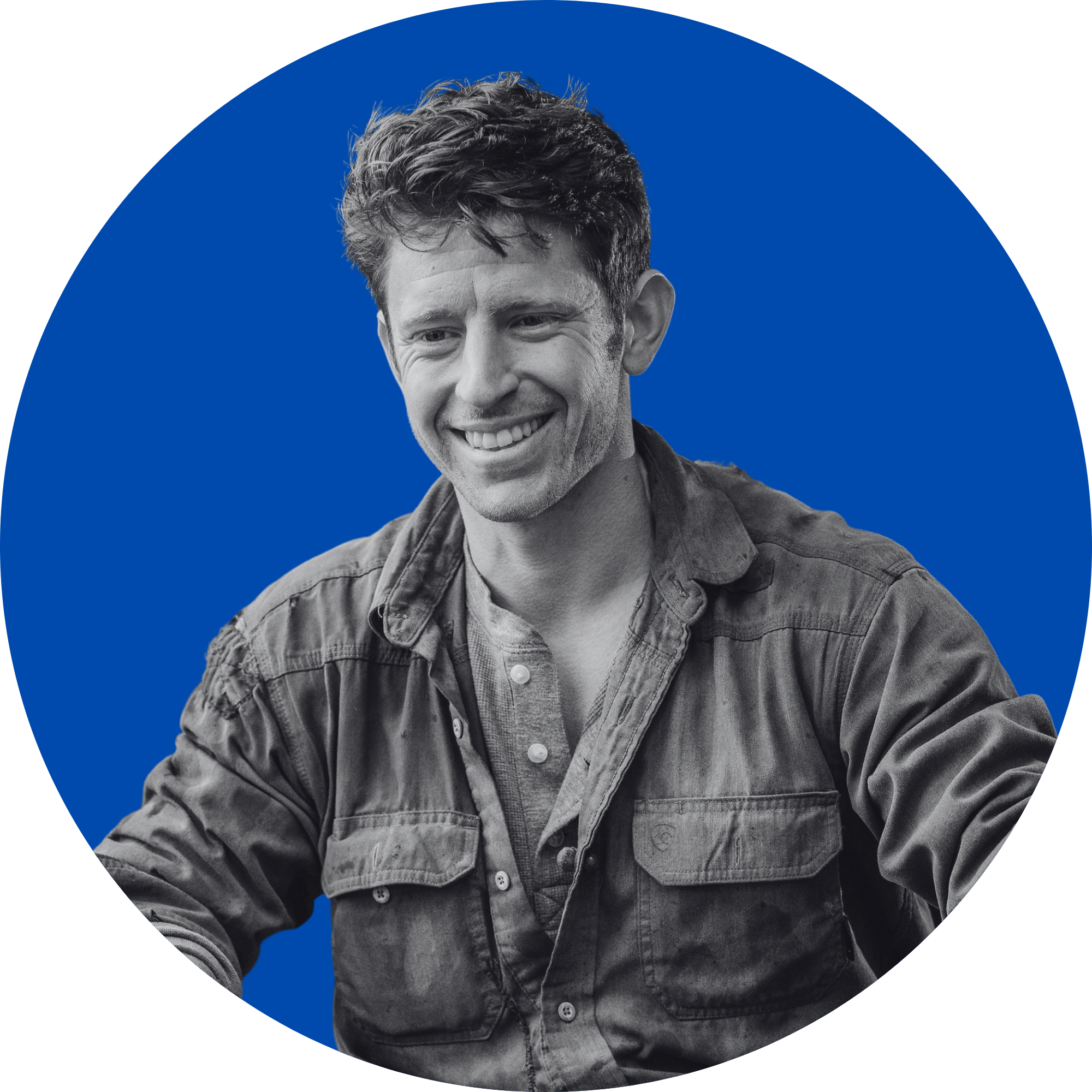
Sam Forstag
Democrat
-
Q: First, I wanted to talk about your background. It seems like your platform is based on a lot of preventative measures rather than reactionary fixes, and I know that is tied to your background as a smoke jumper. Tell me more about where that philosophy of governance comes from.
A: A lot of us have been stuck living through this constant state of crisis response governance in which we have political leaders who lack the courage or the wherewithal or whatever the heck it is to actually invest upfront in these clear solutions that would make all of our lives as normal working people so much better. And I see the same thing out in the field when I'm working on wildfires. We have seen systematic disinvestments in our public lands agencies, and we're seeing all of that at a rapid clip right now as they try to dismantle the US Forest Service even further. I ended up out on the field having to call in large air tanker drops of retardant at $7,000 a pop because we didn't have the courage to invest up front in active forest management to make sure that fire was not going to rip into that community and burn down that house. And it's the same problem that you see when there's a 62-year-old woman sitting in the emergency room because she couldn't afford a primary care visit. It is all of us paying so much more for so much less and addressing these problems in the most costly, least compassionate way possible. The premise of this whole campaign is that there is an affirmative role of government to make sure that we can afford the basics that it takes to live and thrive.
Q: One of your proposed policies is to bring back logging in the state of Montana. How would that work, and what's the balance between conservation and development?
A: Obviously, logging is occurring right now in Montana. That's how our public schools are paid for at the state level. What I've seen is that we just have a very disparate application of a lot of our laws across the state when it comes to federal lands. You have some forests that are able to get responsible timber harvest accomplished and then some forests like the Bitterroot where you haven't seen a timber sale in over 10 years. [That results in] a lot of working people losing jobs and then a lot of our basic needs, like housing, ending up costing a lot more. If we buy all of our timber from Canada, well, we're paying more, and it doesn't actually provide any environmental benefits. So what I propose is that we make sure we're actually protecting our foundational environmental protections, things like NEPA, and making sure that they actually function on a timeline that works. It should not take three to four years to get a timber sale through on federal lands because of litigation. We should make sure everyone still has their day in court, and that objections and public comment are still protected, and that a challenge to a timber sale will be processed in three to six months, not three to four years. Right now, what we're living through, when I talk to my union members or former co-workers, is the current administration has effectively gutted all those environmental protections, and they are pushing through timber sales on these emergency authorizations that allow them to completely bypass all of the most foundational protections that we've got on federal lands.
Q: You support raising the minimum wage to $15. Why do you support raising the minimum wage universally, instead of allowing localities to adjust for more localized cost of living?
A: I [want] to raise the minimum wage to at least $15 an hour and leave space for states and localities to adjust that even higher if they would like, because there are places where $15 an hour does not cut it. You see models like that in states like Oregon that seem to be working for them. I support that because I spent most my entire time going through college at the University of Montana, working two and sometimes three jobs at a time for as little as $8.25 an hour, because that's what our state minimum wage was at the time. And that's not a living wage. And nobody should have to work three jobs at a time and still struggle to pay rent like I did. It is the role of government to make sure that people are not stuck living like that.
Q: One thing that stuck out to me about your campaign was that four Republicans who once held office in Montana endorsed you. How did that come about and why have they voiced support for you rather than a Republican candidate?
A: I’m proud to have support, not just from Senator Bernie Sanders and the Congressional Progressive Caucus, but at this point, 32 current and former Montana legislators. And, you know, the former Republican legislators who endorsed me, well, some of them did because they don't see anything that resembles the Republican Party that they thought they signed up for. My friend Greg Frazier, over in Deer Lodge, endorsed the campaign because Greg works as a mental health tech. at the state prison, and he sees exactly what happens when we systematically disinvest from our public health systems.
Q: How has Ryan Zinke's withdrawal from the race impacted your campaign, if at all?
A: I am a little personally disappointed because I was pretty excited about the chance to come take his job myself after he voted down the line to cut the Forest Service and cut 20%, 25% of my coworkers and my union members' jobs. Functionally, what it means is that our odds got even better. I think that there are a lot of people that voted for slubs like Ryan Zinke, who are looking around right now and seeing that our lives are not getting any better. So, what this means is that we have a whole lineup of people even further to the right and crazier than Ryan Zinke, who are jockeying for who's going to run on the Republican side. And I cannot wait to wipe the floor with one of them in November.
Q: I know that you've answered some of these questions I'm about to ask on your website with comprehensive policy. What would you do to promote affordable housing?
A: Policy is my love language. I would encourage anyone to go check out our policies online. It is the most detailed policy platform you'll find. When it comes to housing, well, I'm the only person in this race talking about the sort of big, bold investments that we need at the federal level to fix a broken housing system. We need investments in models like community development block grants and programs like community land trusts that you have over there in Bozeman. We need investments in building dense infill housing and rentals that, if we're going to pitch in a 10% or 20% subsidy and work with a developer to do that, then there will be a guarantee that is affordable rent on the back end. Pair that with incentives for zoning reforms that are going to make it so you can actually build that housing where people need it.
Q: What is the federal government's role in regulating or funding education?
A: The federal government should play a role by making sure that we don't have teachers working for below a living wage. My dad is a public school teacher, and when we were growing up, he struggled to get by sometimes on the wage that he was making. When we just raised the starting salary for a school teacher in Montana to $41,000, that is a travesty. We've got the damn resources. We're just spending them on tax cuts for the richest people in this country. We can afford to pay for universal free childcare for every kid in this country and universal pre-K. And if we made that investment up front, well, [we’d have] better educational outcomes on the back end.
Q: Do you support federal student loan forgiveness?
A: I do. What I would like to see is actually making it so you don't have to go into debt in the first place. And it shouldn't just be college, it should be trade schools, too. What I'd like to see is significantly ramping up funding for things like Pell Grants. It should not take you a decade and incredible burdensome hoops to jump through to get yourself out of debt when you're doing something like fighting forest fires or taking care of the next generation of Montanans.
Q: What steps would you take to mitigate climate change?
A: I would like to see the government investing in research and development so we can continue to improve the efficiency of things like solar cells and wind turbines. We have some of the best potential for wind energy in the country, right here in Montana, and things like geothermal. And if that means that folks might lose their job in the course of an energy transition, well, I actually see it as the role of the government to make sure that you don't have to leave your home in a place like Colstrip and move to Missoula.
Q: Would you be in favor of a moratorium on fossil fuel extraction on federal public lands?
A: No, I wouldn't. What I'd like to see is that we repeal what they did last year, where they cut in half the royalties that fossil fuel companies have to pay when they're developing on federal public lands.
Q: Considering how much polarization there is and the trend towards surface level engagement in politics, is there the appetite for this preventative, rather than reactionary, approach that you're advocating for?
A: Absolutely. I'm in my early 30s, and a lot of the people I work with, some of whom are making 19 bucks an hour, jumped out of airplanes a couple of years ago for the federal government [to fight] wildfires. I see a lot of people who rightfully feel like the system is rigged. The system is rigged. It is rigged in favor of the richest people in this country. If you are that one of the top 400 earners in this country right now, your effective income tax rate is about 4%. And when I'm working as a smoke jumper, 36% of every paycheck goes to taxes. Uunfortunately, a lot of people were sold a bill of goods that Ryan Zinke and the rest of them were going to make your life cheaper and they were going to make it so we could afford housing and all the rest. What they did is they made it harder for all of us to afford that so that we can perhaps mint the first human trillionaire in the next couple of years. We cannot just end on being angry. We have to actually talk about ‘what is the affirmative role of government here to fix these problems?’ I think there's appetite for that broadly. And that's what this campaign's all about.
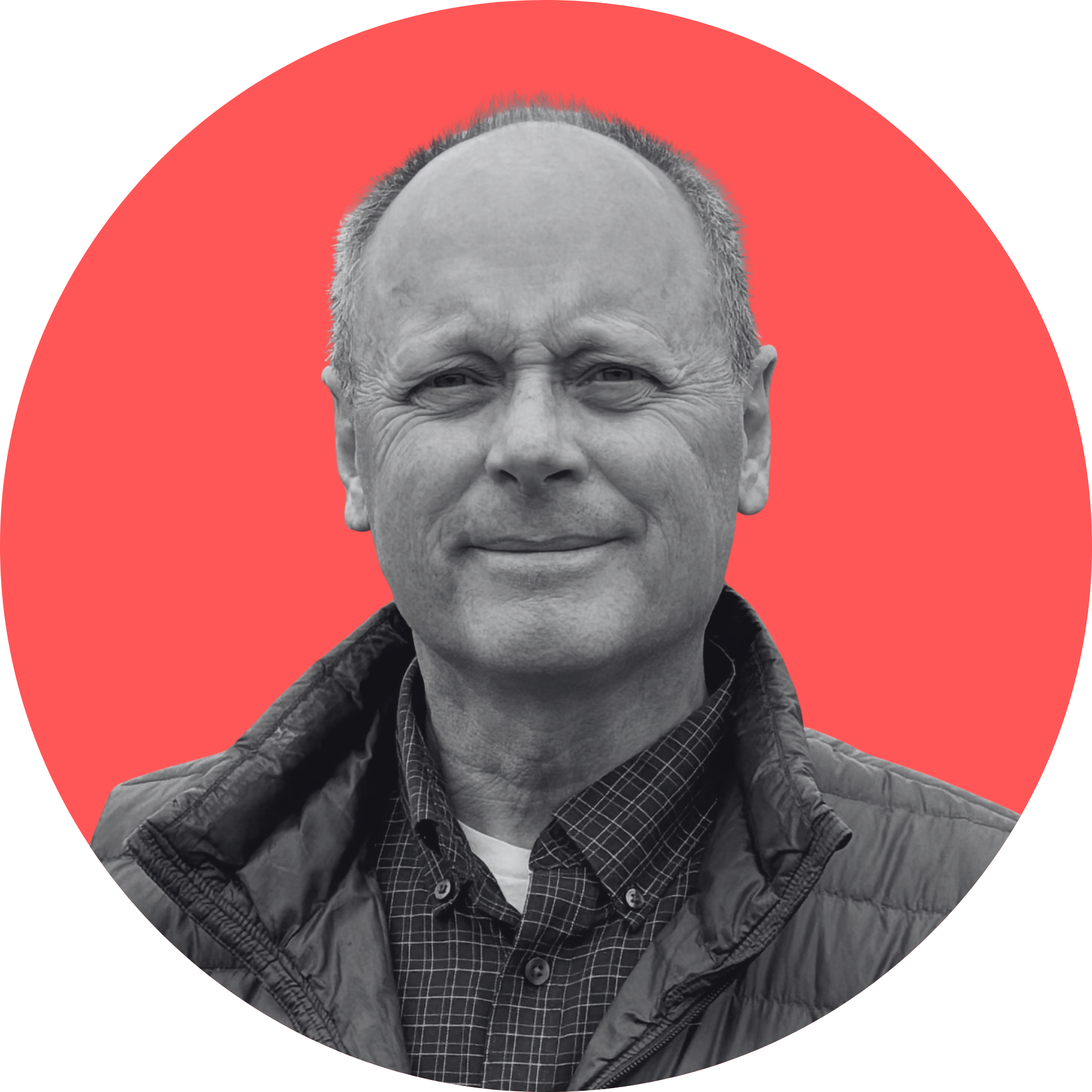
Ray Curtis
Republican
-
Q: Tell me more about your background and how that has informed your decision to run this year.
A: I am an American government teacher. I'm A James Madison Fellow, so my master's degree is in constitutional history and the making of the Constitution. Over this past year, it seems like I have watched our current Congress not doing the job that they take an oath to do, which is to use those powers of Congress and also to check executive power, just as the framers intended them to do. Never in my lifetime before did I imagine I would be applying to be a member of Congress. I felt like it was something that I needed to do and could do to help right this ship. I grew up in Western Montana, in fact, I grew up in your neck of the woods over at the base of the Bozeman Pass, moved to Missoula during high school, worked for the railroad all over the district, all the way up to Essex. I know this district well. And so I have two things going for me, I think. Knowing the district and knowing American government.
Q: You’re running on protecting constitutional rights. Which specific constitutional liberties do you believe are being threatened or degraded, and what needs to be protected?
A: I think the rights in the First Amendment—freedom of speech, press, assembly, petition, and then even the right to practice what religion you want—are being threatened, as well as those in the Fourth Amendment—search and seizure—the 5th—due process, habeas corpus. I even think the detention centers are a concern when it comes to the Eighth Amendment, the 14th. And you even hear chatter about the 22nd Amendment and term limits on the president.
Q: Compared to other Republicans in the field, you're not advertising an allegiance to the president. Why was that your choice?
A: I think the president is abusing his powers, and I don't think that really has anything to do with political party. I remember when President Trump ran in 2016 scratching my head and wondering if he was a Republican, but he made it through the Republican primaries, became president, and did so again. A congressional candidate should not pledge allegiance to a political party. Their allegiance is to the people.
Q: But we see other candidates in the Republican primary, whether that's Christi Jacobsen saying that she's a “Trump fighter” or Aaron Flint getting the endorsement from President Trump, really having the most prominence in this race. Is there space in the Republican Party for an old-school Republican like yourself?
A: I like your description because I'm definitely old school. I believe what Lincoln did when it comes to believing what the working man can do, and that innovation actually goes upwards, not downwards. I believe what he said about equality. I'm an Eisenhower Republican when it comes to taxes and spending and what he said about military spending and spending on what some people would call socialist programs. But Eisenhower felt that if you don't have a public that's well-educated and healthy and we don't have a strong infrastructure, then we're neglecting the purpose of government. And I also feel strongly about what Ronald Reagan said about immigrants. He took the opportunity to say that if we cease to welcome people from other nations to this country, we will cease to be great. I believe there are a lot of people out there who are middle of the road like I am on these issues.
Q: What are the tangible differences between you and the other Republicans running against you?
A: I really am concerned about young people and what we are leaving young people like yourself. When I was a young person, the U.S. debt was $1 trillion. A lot of Republicans would probably disagree with me and think, you can't tax the wealthy. We're not taxing those people proportionally. And I think we absolutely have to, we have to get a handle on this national debt. The Big Beautiful Bill, it did not bring in spending. And it was really Congress's job to do that. Not someone like Elon Musk and the guys in DOGE. So as a member of Congress, I'm going to take that on.
Q: When you think about taxing people proportionally, does that look like a wealth tax or just a more progressive tax bracket?
A: I think you have to do both because the way the system works now, there are too many loopholes with wealth.
Q: Do you support federal student loan forgiveness?
A: I would have to look at it more closely. I'm sad that young people even had those enormous loans in the first place. We have hurt young people. When I say we, I'm talking about my generation. I feel terrible about it.
Q: How has Ryan Zinke's withdrawal from the race impacted your campaign, if at all?
A: I frankly believe I can do better in upholding the democratic principles that you read in the first chapter of an AP government book [than Zinke]. Anyway, when he suddenly dropped out and then suddenly turned his support to a specific individual, I contemplated where I would fit in. And then I saw the other people who filed, and I thought, they don't give moderate Republicans much of a choice. And I think there are many. I know there are.
Q: What would you do to promote affordable housing?
A: Part of the problem is supply, and I'm not sure that the federal government can actually address that as well as states. I think about Montana and our large area and the influx of people. What I see happening is that the same people are buying house after house after house and bringing up the costs because supply is reduced. And so I think somehow that's what needs to be addressed. And that might be some form of federal taxes. Taxes are used to manipulate behavior all the time, and we could do it for purchasing houses too, I believe.
Q: Do you believe in human-caused climate change? And if so, what steps would you take to mitigate it?
A: I make an ice skating rink in my backyard every year. And this is the first year that I did not skate on it once. So, yes, I believe that there is climate change. I believe our reliance upon oil is extremely problematic. It's interesting to see other nations, I'm going to use China as an example, building infrastructure for wind energy, for solar energy. I find it interesting that Senator Sheehy voted against a bill that would have promoted solar energy, but in his own house, he is using it. And I think we all should. The United States needs start looking forward towards clean energy.
Q: Would you be in favor of a moratorium on fossil fuel extraction on federal public lands?
A: We probably have to do something like that to really jumpstart our initiative towards building green energy and towards wind and solar. It needs to happen quickly, and that's a way of doing it.
Q: What is the federal government's role in regulating or funding education?
A: When I became a teacher, I was discouraged from doing so 40 years ago because Montana was ranked 28th in the nation in terms of teacher pay, and now we're towards the bottom. If the federal government can contribute towards educating the American public better than they are being educated, then I am for that. I think Jimmy Carter was actually right in creating the Department of Education. Now, he also took a look at the American bureaucracy and was able to trim it. It should be a lean machine.
Q: Anything else I haven't asked you or you think is important for this race?
A: I think it's a disadvantage that I am a white, older male running for office, like so many office holders are. I wish more young people and people of different genders and race, ethnicities could also get involved. I'm listening to an interesting story on Montana Public Radio now about Jeannette Rankin and why women don't run for office. And I'm discouraged by that. But one thing I do have going for me is I'm not a billionaire. I'm not a millionaire. I am just like most Montanans. And for that reason, I feel like I can represent Montanans very well.
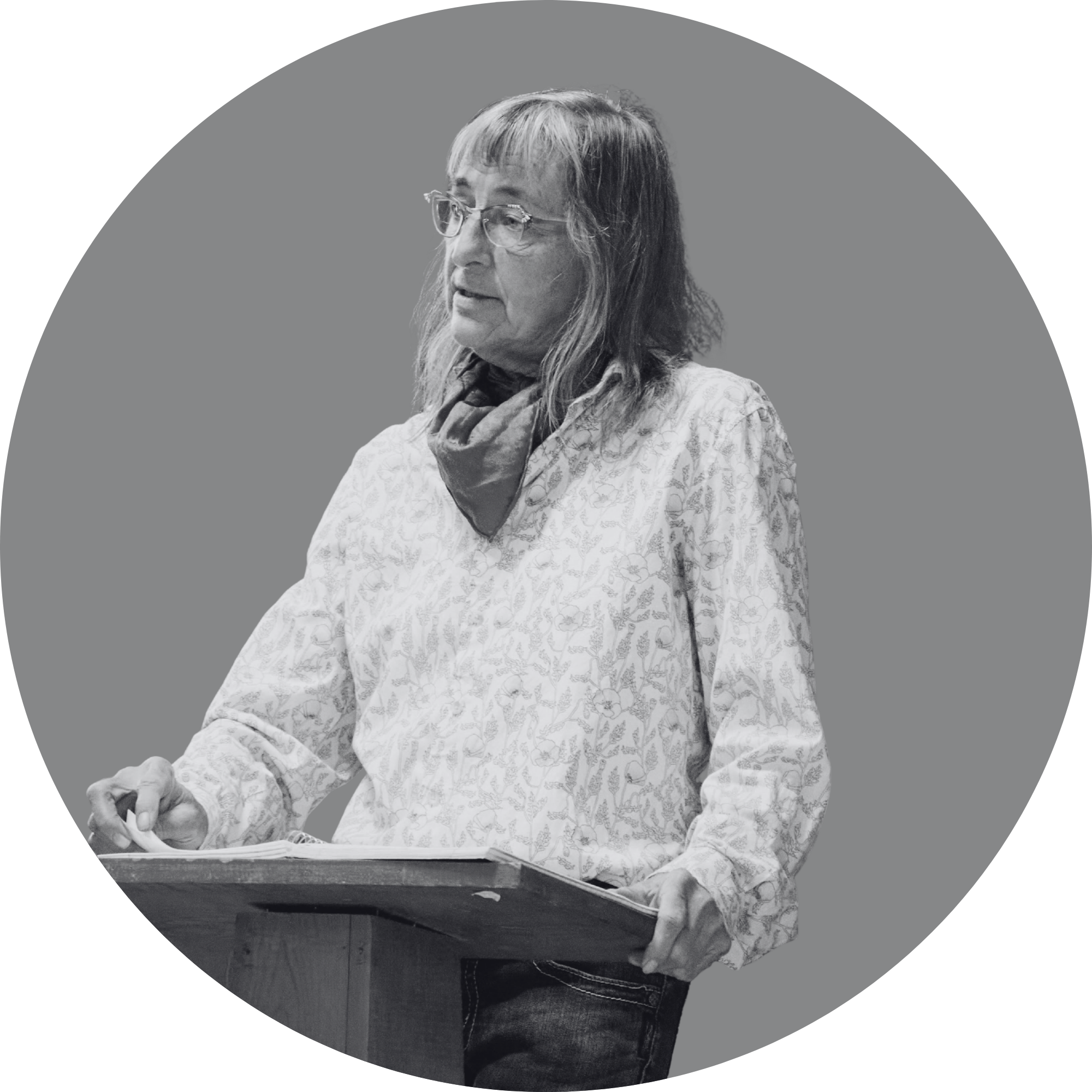
Kimberly Persico
Independent
-
Q: Tell me about your background and how it informed your decision to run as an independent.
A: I come from a family that's deeply embedded in public service, whether it's military or through their church groups or in local politics. I have a degree in chemistry and I run my own environmental consulting business where I do work for the mining industry up in Northwest Montana.
Q: You support reforming SNAP eligibility. What specifically would this mean?
A: I agree with reforming what [recipients] can get. I don't agree with using SNAP benefits for things like pop and energy drinks. But I also think that SNAP eligibility should be increased so that more people are able to get it.
Q: There's been a lot of talk about work requirements surrounding programs like SNAP. Is that something that you support?
A: In a limited way, I do support that. For adults who have no children and no disabilities to deal with, then they should perhaps be required to work a minimum amount of hours.
Q: One pillar of your campaign is balancing the budget. What would you cut at the federal level to do so?
A: I would be cutting the Pentagon budget significantly, while at the same time maintaining our defensive capabilities. I would likely raise taxes on wealthy people.
Q: You're the only independent candidate in the race right now. Tell me the process of qualifying for the ballot in Montana and how that's going for your campaign right now.
A: To be an independent candidate in District 1, you need 6,742 signatures of verified registered voters. And that, I believe, is 4% of the total ballots cast previously two years ago in the last election for Congress. It's a very high bar to accomplish.
Q: Do you have a sense of how many signatures you've received?
A: I don't have an exact number. I've got a few people gathering for me, not very many, but a few. And I don't know if they've turned in theirs, but it's going to be a long road for me to get to the 6,742.
Q: How has Ryan Zinke's withdrawal from the race impacted your campaign, if at all?
A: Well, that was one of my major goals to accomplish, so I'm really happy that happened. Other than that, it hasn't really impacted my actual campaign much. Our entire congressional representation is pretty poor. And just both parties in general have lost sight of the actual people, which is why I chose to become an independent.
Q: What would you do to promote affordable housing?
A: I would have the federal government influence the state and local governments to reduce regulations and permit zoning changes that would increase density. I would have the federal government do things like invest in infrastructure projects that would upgrade roads and sewers and water systems. I agree also with banning corporate buying of single family homes to change into rental units.
Q: Do you believe in human-caused climate change? And if so, what steps would you take to mitigate it?
A: I believe in climate change. I'm not necessarily certain it's all human-caused. I think it may be human-influenced. We need to be able to have our infrastructure designed to the point where it can handle huge influxes of water or drought or whatever Mother Nature throws at us. There's no really changing climate change.
Q: As a consultant for mining companies, has that role influenced how you think about environmental policy?
A: It has some. I started out not wanting any mining or logging. But as I've grown older, my perceptions have changed to the point where I'm pretty firmly in the camp that we need to be self-sufficient as a nation and not rely on foreign adversaries for our critical minerals.
Q: What is the federal government's role in regulating or funding education?
A: The federal government needs to support research. We need to maintain our dominance on things like AI and medical research.
Q: Do you support federal student loan forgiveness?
A: I'm on the fence about that one. I don't necessarily agree with that. However, there are predatory lending practices that need to be addressed. But I'm of the opinion that if you sign a contract, you are on the hook for what you signed.
Q: Anything else I haven't asked you or you think is particularly important to your campaign?
A: I'm an independent, and I am out to represent all of the people. I went to a debate a couple weeks ago in Mineral County, and one of the Republicans just flat out said, ‘I want to talk to the Republicans in the crowd.’ I found that highly offensive because our representatives need to be representing everybody and not just their party.
