
Gotta Catch ‘Em All
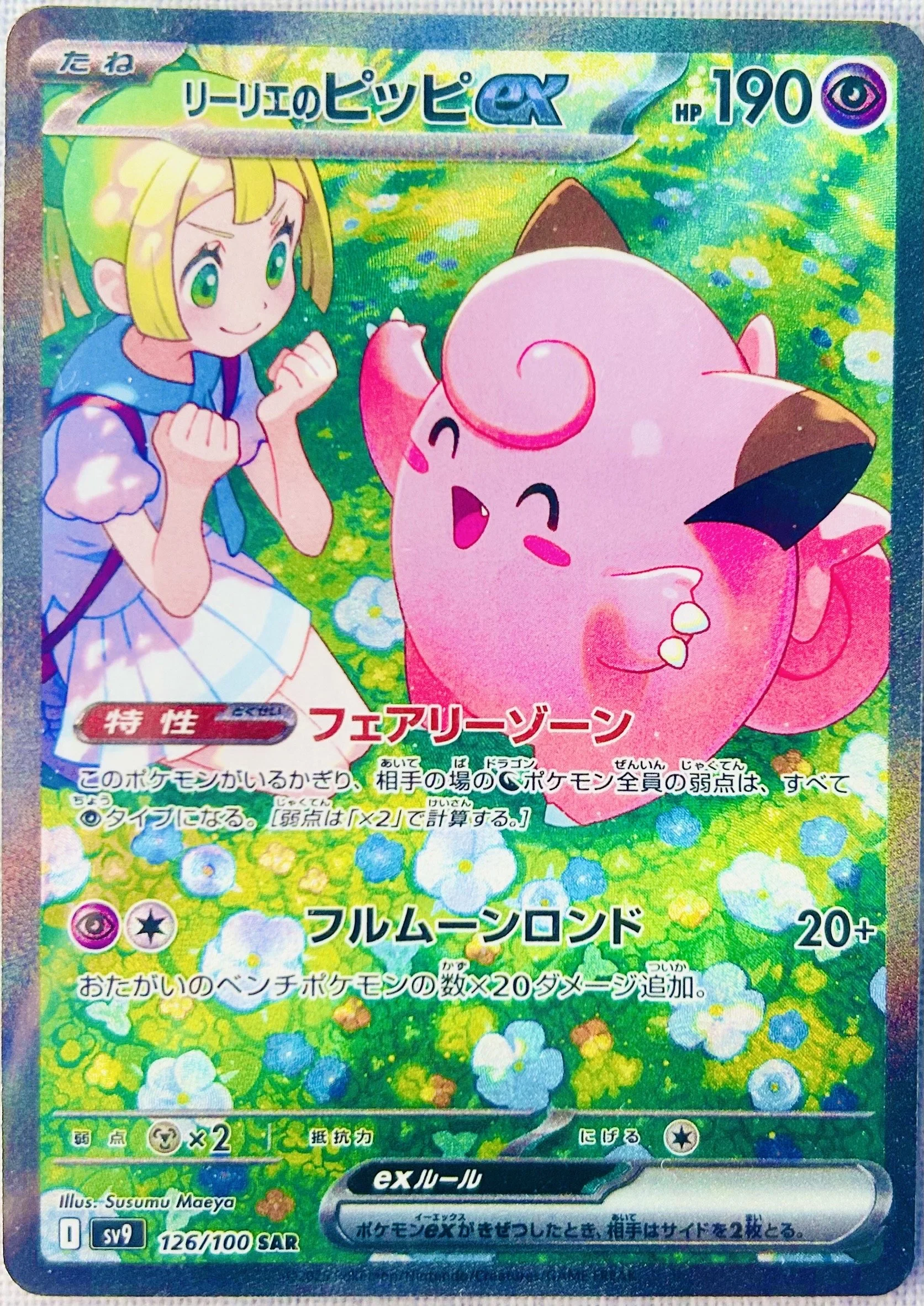
Picture of Pokemon Card by Ronald Nguyen
The primary goal of the Pokémon franchise has always been "Gotta Catch 'Em All," a phrase that perfectly captures what the series is all about: adventure, discovery, and collecting. What started as one man’s creative idea in Japan grew into one of the biggest entertainment franchises in the world. This paper will tell the story of how a Japanese idea grew into a worldwide sensation, convincing generations of kids (and their parents) to spend their money and time chasing after a rare card, playing, and exploring the Pokémon world.
The success of Pokémon comes from the Pokémon fandom. Satoshi Tajiri was born on August 28, 1965, and grew up in Machida, a suburb of Tokyo. As a child, he loved discovering and catching insects in various places, like ponds or small fields around his town. This childhood hobby later inspired him to create a game about catching creatures. In his second year of junior high school, an arcade hall opened in the Tajiri neighborhood, introducing him to video games.
Following his newfound passion for gaming, “In college”, Tajiri studied electrical engineering at Tokyo College of Technology. Tajiri also began to publish a doujinshi (Japanese term for self-published print works, such as magazines, manga, and novels) magazine titled Game Freak. The title was inspired by a 1932 film titled Freak, which fascinated Tajiri at the time. The original full name of the franchise was Pocket Monsters, which has been commonly abbreviated to Pokémon. The Pokémon franchise originally began with a pair of role-playing games, which were Pokémon Red Version and Pokémon Blue Version. These games, which were developed by Game Freak from a concept by its founder, Satoshi Tajiri. These games were released on the Game Boy on February 27th, 1996.
The Pokémon Trading Card Game (TCG) was one of the first Collectible Card Games (CCG) developed in Japan. It was influenced by Magic: The Gathering, which was the first CCG in history. This card game is considered the simpler version of Magic: The Gathering, and it was first released in the United States in 1996; at this time, Magic: The Gathering was popular not just in North America but also in Asia and Europe. The Pokémon card game was designed by Ishihara, Akihiko Miura, Koichi Oyama, and Takumi Akabane. They were all former staff members of Ape (a former Japanese video game developer founded by Shigesato Itoi) and had previously worked on EarthBound (a role-playing game developed by Ape Inc.)
While card games have a long history in Japan, Pokémon was still a relatively new concept and widely unknown, leading to difficulties finding distributors. Ishihara decided to pitch his idea to Nintendo in 1995, and they agreed to manufacture the cards.
On October 20th, 1996, the first card set was released as a booster pack. When they first launched the booster packs (a sealed package of cards or sometimes miniatures for games like Pokémon), some people labelled the hobby as gambling for kids. The original set was later named the base set, and there were many more sets to come.
Miles DeHaven looked at one of the cards from Journeys Together, which is one of the sets that contains the card from the image, and he said, “literally me when I go to the park.” This is what the card is trying to show: Pokémon card art is unique, and it tells its own story. The success of Pokémon is a mix of smart and great ideas that everyone can connect with. It went from Satoshi Tajiri’s simple idea for a video game to a massive success in the trading card industry. The main goal, "Gotta Catch 'Em All,” has become much bigger than the game motto. It’s the reason Pokémon remains a large part of global culture today, encouraging millions of people to keep collecting and trying to catch them all.
