
The End of Crucial: An Insight into the Economics of Memory
By Isaac Pitman
The GHS Cheer Squad mid routine. Photo by Claire Adlington.
Though they have always been a constant in civilizations throughout history, trade and commerce are some of the most capricious factors of society. Never has this been more evident than in the current economic landscape. Whether due to newly implemented tariffs, trade sanctions, or rocky relations between nations, international trade is in a tense position.
Even with disregard to external factors, however, the internal economic ecosystem of the United States is in an exceptional condition, and the culprit: AI. Being the new trend in business, the “AI-ification” of aspects of modern life is an extremely lucrative avenue for aspiring entrepreneurs to pursue, with investors fighting over who will be first to invest in the implementation of this new technology wherever it can fit.
While this new craze is funded through the venture capital of eager investors, the effects extend further than just to the investors and inventors; the AI industry requires immense infrastructure, the cost of which is in part laid upon the uninvolved citizen. The extreme levels of energy and water required to run an AI data farm hike up the costs of regular commodities, meaning the average person has to pay more to live the same way they always have. On top of this, the output of dangerous chemicals from some plants has been linked to increased health concerns.
While these plants have a high demand for free-flowing resources such as water and energy, they also require tremendous amounts of solid non-renewable resources, one of these items in high demand being advanced computing components. This colossal consumption of these expensive goods has driven an unprecedented level of business to the companies behind these parts, and it shows. On average, computer memory companies have had their stock prices increase multiple fold, with companies like SanDisk seeing price increases up to 1000%.
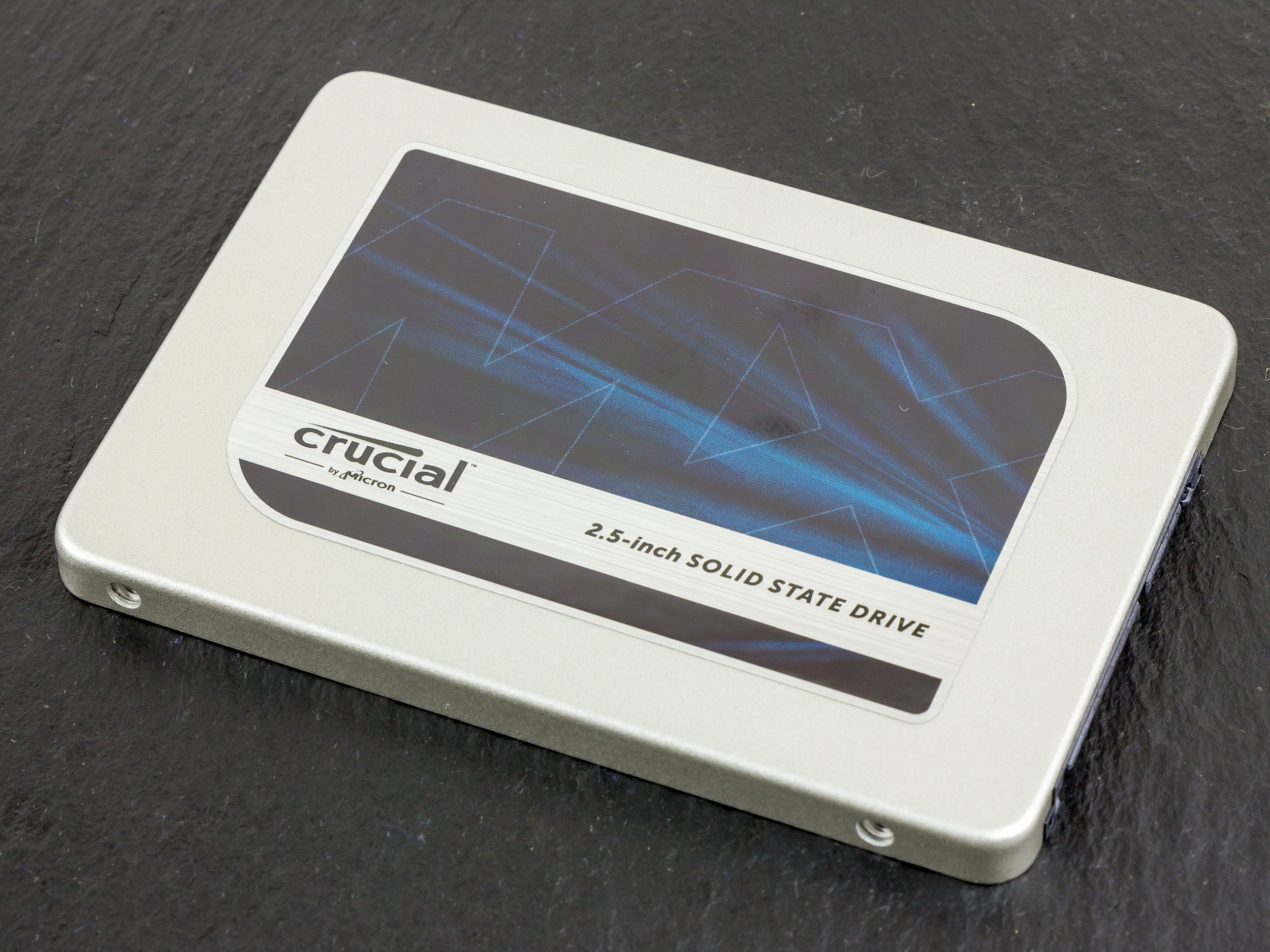
In an interview with Douglas Pitman, one of the four original founders of Micron—a computer memory company—many questions around the state and effects of this escalation are answered. Micron is a special case, for recently, amidst this furor, the company decided to phase out its “Crucial” brand. Crucial being a special subsector of Micron focused on providing computer memory to the public, making Micron the only U.S. based consumer computer memory producer.
When asked about this, Pitman responded by saying, “Personally I hate to see them shutting down Crucial, that’s been a really good service to people. I don’t have any insider information as to how much of their business it is, but I imagine it’s probably quite a small part of their revenue.” For additional background, Douglas Pitman left Micron in 1987, and has not been well kept up to date by the company since, explaining why he said “I don’t have any insider information.” To further his point, Pitman continued by saying “It’s a hard business to run, the consumer business is a dwindling market, and compared to AI it’s not a comparison.”
According to investors.micron.com, over half of Micron’s revenue came from data centers. Additionally, the website shows that while the cloud memory sector of their business grew by 257% since 2024, and the core data sector grew by 45%, the mobile and client sector, which includes Crucial, only grew by 2%, which can be primarily attributed to the rapidly rising cost of DRAM (Dynamic Random Access Memory). Importantly, Crucial was only a small part of this sector, with the majority of profits belonging to the acquisition of parts by manufacturers for the production of electronics such as smartphones and computers.
When provided with this information, only one question was left unanswered, that being, why were Micron in the consumer business in the first place? And when asked this—specifically if it is just because they were the only us based producer—Pitman responded with “I disagree with that statement,” following that up with, “the reason why we as Micron ended up supporting the consumer market primarily was a result of our business plan, the companies had very specific DRAM qualifications, and if you wanted to sell DRAM to the major companies, it could cost millions of dollars to qualify you. We didn’t have the money, and as a brand new company, we were just getting started, and it was very unlikely that they would view us as a viable vendor.” This issue left the founders with an important question: “If we couldn’t sell to the large companies, then who was our market?” The answer? Other startups.
Pitman explained that “There were very young startup companies, like us, who needed DRAM, and to get it they would need to get in line before the big companies; companies such as Apple, Atari, and Commodore. Every time there was a shortage, [these companies] would get shoved to the back of the line.” In short, Pitman claimed that Micron’s presence in the consumer market was never the end goal, but instead just a tactical play to build a name for the company, so that other, larger companies would take them more seriously. Micron was clinging on to the branch because they didn’t have a good opportunity to drop it yet, but when AI came around, that opportunity arose.
“Micron is a commodity producer, so they have to go where the business and the demand takes them, and right now AI is the high demand area for memory,” Pitman simply stated. While many view the new age of AI as an economic disaster, others may view it as the respite they’ve been waiting decades to receive, and such is the case for Micron. Though few might have seen this coming, and many find it to be an egregious act, it was a long awaited relief for those in control, highlighting the nuance in economics that will always be present in society.
