
The K-Pop Demon Hunters Phenomenon

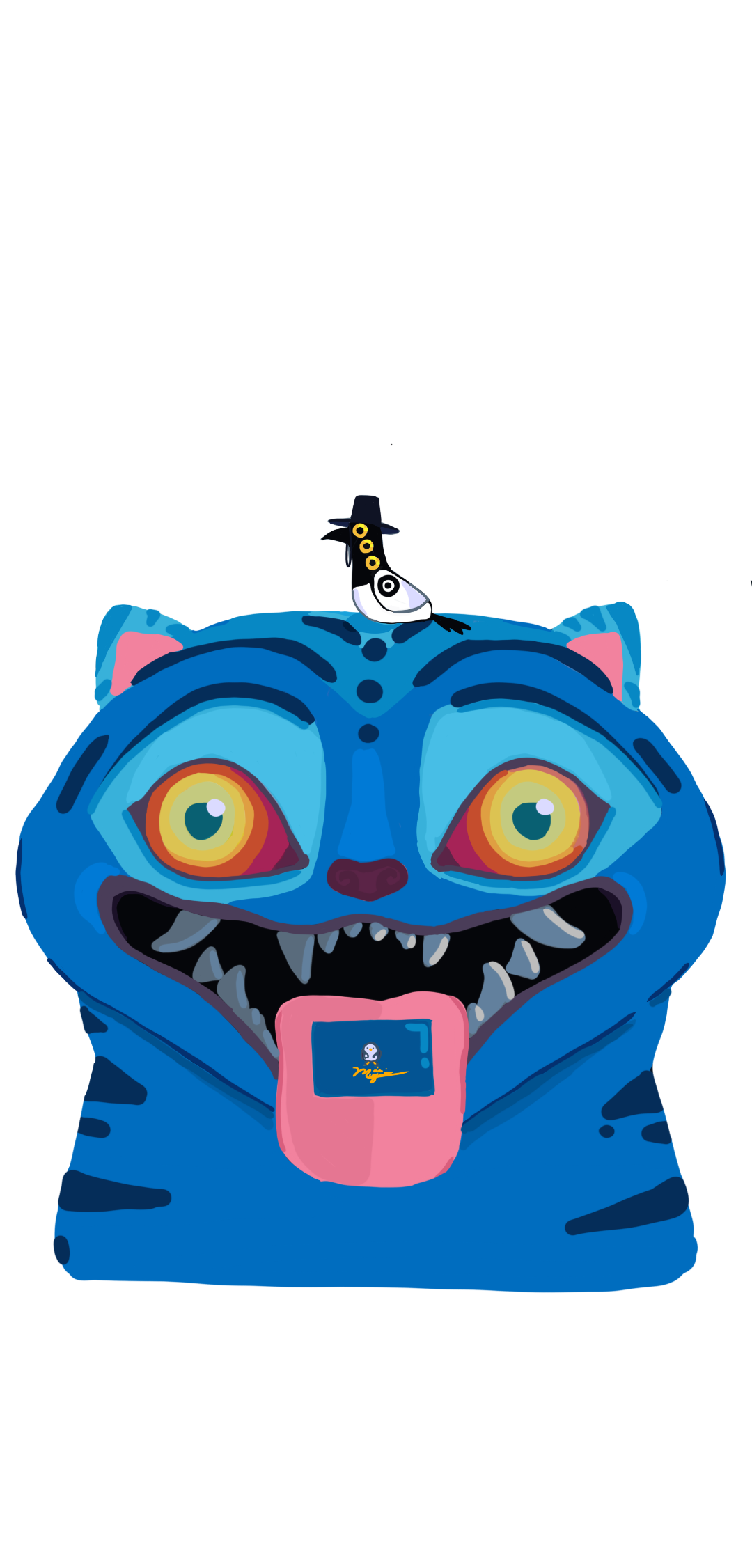
Illustration of Derpy Tiger and Sussie Bird from K-Pop Demon Hunters by Maia Maganito
“K-Pop Demon Hunters” has stolen the hearts (or should I say souls?) of millions of people worldwide. Through an engaging and quick-witted 1 hour and 36 minute musical movie inspired by classic Asian animation using a mixed 3-D style, audiences join a K-pop trio named HUNTR/X in a fight to protect the shield between Earth and the demon world called the Honmoon from soul-sucking demons. As per the title, they defend Earth by performing against their rival demon boy band, the Saja Boys. As the main character, Rumi, struggles to accept her identity as a half-demon, she joins her fellow HUNTR/X members, Zoey and Mira, to hunt demons while providing the audience with earworming songs and their own struggle to choose biases (a term used in K-pop for a fan’s favorite singer from a group).
“KPop Demon Hunters” (KPDH) was expected to be a flop after its creation by Sony, which sold all rights to the songs and movie to Netflix. Nevertheless, the marketing team’s assumptions were far from accurate, as the fictional female group, HUNTR/X, achieved unlikely success on Netflix and in K-pop history, even though it was a children’s film with a somewhat corny title and premise. The movie soundtrack racked over 3 billion streams on Spotify and 300 million views on Netflix, smashing multiple records and making history as the most viewed film on Netflix. Though HUNTR/X is a fictional group, the release of the song Golden marked the first time ever that a female K-pop group hit number one on the Billboard Hot 100.
Behind the flashy vocals and bright personalities of HUNTR/X, singers EJAE (Rumi), Audrey Nuna (Mira), and Rei Ami (Zoey) present a fascinating backstory with their initial obstacles as K-pop singers and songwriters. EJAE began her career in the K-pop genre through years of training with the popular company, SM Entertainment, without a debut. Additionally, Audrey Nuna struggled with her Korean-American identity and lack of viewership in her first albums. On the other hand, Rei Ami spent her childhood in a strict religious cult in Korea, relying on music to heal her psychological traumas as her safe space.
Despite their individual challenges throughout their early careers and lives, their opportunity to sing as the voices of HUNTR/X provided a chance at redemption, making history by achieving two platinum records, a feat never reached by any K-pop group before. In multiple interviews, the voices of HUNTR/X have stated their endless gratitude for the representation of their real character in KPDH–from exposing previously ignorant audiences to Korean culture to their own journey of self-discovery and success.
The voice actresses’ stories show how the songs and plot of KPDH represent much more than meets the eye through its exploration of identity, self-acceptance, and the importance of togetherness in community.
Christel Chvilicek, a local mom and unexpected fan of “KPop Demon Hunters”, affirms that these lessons are more crucial in the real world now than ever before. “There were hidden messages about accepting who you are as a person, embracing your flaws, and figuring out how to be who you are and standing up to be a better person,” Chvilicek says. “The idea that… you don’t need to pretend to be someone else in order to do something good or to make your stance in the world was always something that I struggled with when I was younger. I would try to be different since I thought that’s what people wanted, but [KPop Demon Hunters] tells audiences that it’s okay to be different.”
The themes, relatability of the characters, and appeal of the musical format have clicked for many audiences. For instance, viewers relate to Rumi’s perfectionism and shame in the scenes where she feels burnt out from hiding her true self from her family and friends. Or perhaps they can relate to Zoey’s people-pleasing behaviors and split Korean-American identity, or Mira’s struggles as the problem child of her family, with her aggressively sarcastic nature.
For viewers like Chvilicek, the musical format of the movie brings nostalgia, as she reminisces that “I grew up with musicals, watching them with my grandma every weekend, so I’ve always been drawn to movies that have songs. Obviously, this is different from the movies in the past from the 1950s and 1960s, but I think it made me remember the good times of hanging out with my grandma… it wasn’t just a movie, there were some messages in it that are pertinent to kids and people of all ages nowadays.”
Every testament to the movie is an example of the community that being a fan of “KPop Demon Hunters” provides. The phenomenon of “KPop Demon Hunters” can be observed through their takedown of social media for months, with thousands of influencers creating parodies and attempting the high note in Golden.
In addition to the multitude of news articles and videos, KPDH has reached an audience so large that real K-pop idols, such as Yujin from the group IVE, Cha Eun-woo from ASTRO, or three of the members of the K-pop girl group TWICE, have created real covers for the songs in the movie. In the popularity of a single children’s movie, a theme in real life is clear: having a small community, such as through KPDH, brings people together over state or country borders
In today's world, fostering a sense of connection is crucial, especially given the numerous recent events that have divided people through politics, beliefs, and other issues. In the past few months, assassinations, deaths, political tensions, and other disturbing events have clouded many people’s vision and darkened their view of the world, with the news highlighting the negativity instead of the good things that have happened.
However, “KPop Demon Hunters” provides a contrast to the dark times and atmosphere presented by news and social media outlets, allowing fans to create a safe space between the familiar notes of the songs and the predictability of the characters. Opening up the threshold to Korean culture through a feel-good and easy-to-watch children’s movie, “KPop Demon Hunters” leaves audiences with no choice but to believe that the future will be golden.
