
Canada’s Secular Legislation: Prioritizing the comfort of some, violating the freedom of all

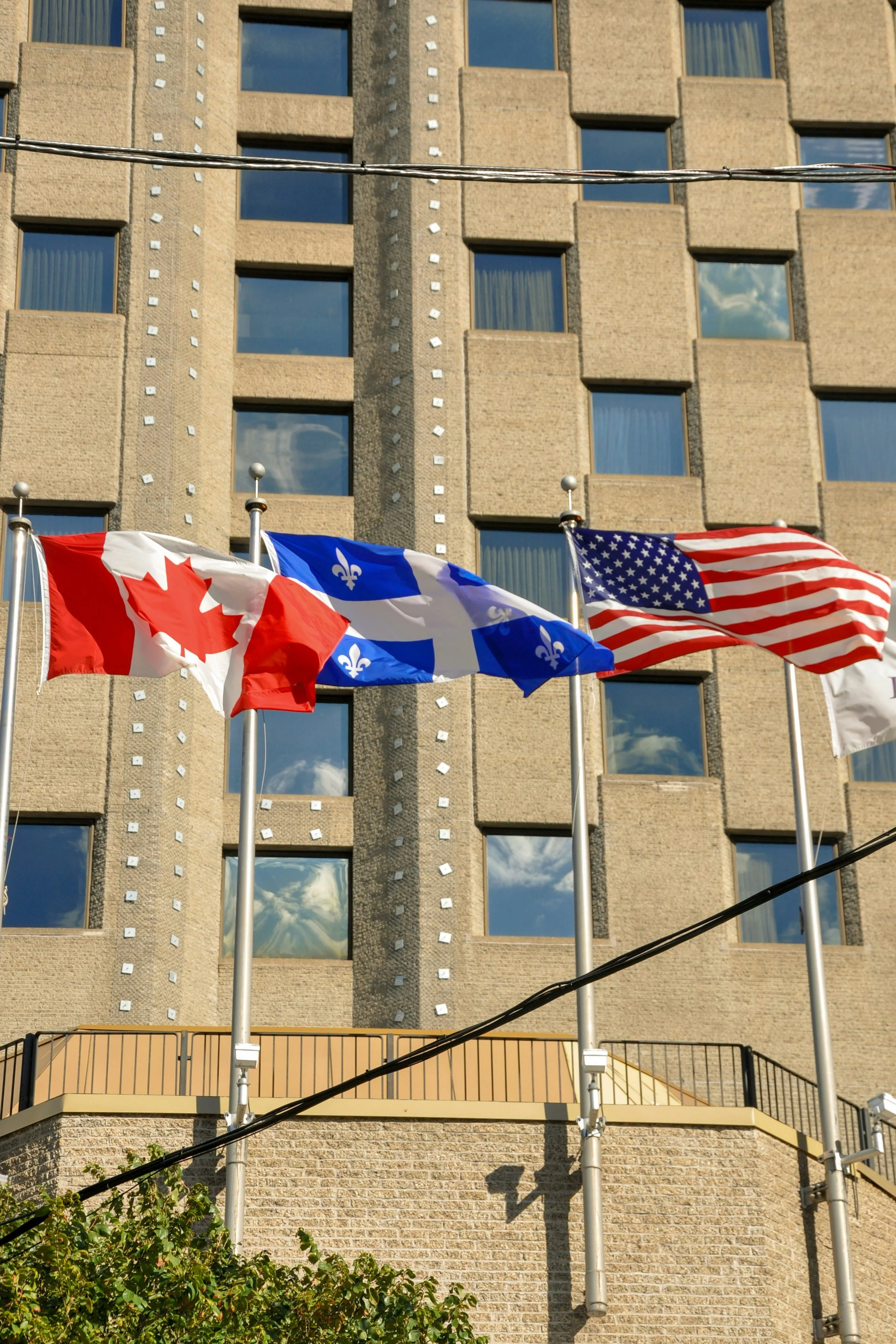
Image courtesy of frenchie.raw via Unspash.
“[W]hen we want to pray, we go to a church, we go to a mosque, but not in public places.” This quote from François Legault sums up the dangerous stance the government of Quebec, Canada has taken on freedom of religion, or freedom from religion.
Canada has a colorful past when it comes to religious legislation and it has become an integral part of the country’s identity. Quebec’s stance can be confusing, especially in relation to the Canadian Charter of Rights and Freedoms. After all, freedom of religion is explicitly outlined in Section 2(a) as “the right to entertain such religious beliefs as a person chooses, the right to declare religious beliefs openly and without fear of hindrance or reprisal, and the right to manifest religious belief by worship and practise or by teaching and dissemination.”
However, clarity also comes in the Charter, which includes a particularly important clause outlined in Section 33, allowing any piece of legislation (with some exemptions for certain Charter sections) introduced to operate despite sections in the charter. Interestingly this clause was invoked in Quebec in 2019 with the passage of Bill 21, effectively banning crosses, kippa’s, hijab’s and any other religious items from being worn during work in certain occupations.
Legislation such as this is a fundamental violation of the right to religion and expression. Such violations include a potential bill that would effectively outlaw prayer in public places in Quebec.
Interestingly, the extremely secular positions of Quebec’s government is echoed by many residents, with polls showing a shocking 66% approval rating for Bill 21. The existence of Section 33 much less the invocation of it is a failure to safeguard human rights.
Allowing the government to introduce legislation that is a direct contradiction to the charter grants it far too much power. Sheer force by the government to outlaw the practice of ideas or beliefs is inherently dangerous to freedom. Currently, information related to the enforcement and consequences for defying the ban on public prayer have not been outlined in Quebec’s recently introduced legislation.
We have a limited time to act. Quebec is framing this legislation under the guise of protecting people's freedom from religion, but in reality, they are forcing people from religion. Much like extreme censorship, outlawing freedom of expression such as religion has had historically detrimental impacts. Historically, we can look towards the Indian boarding schools and the Missouri’s Haun Mill Massacre, which stemmed from an obvious attempt by the government to marginalize and persecute certain religious groups.
Allowing people freedoms is a net expenditure for the government: Essentially it means limiting government’s own power by giving that power back to the people. Quebec is expanding its power, but why are we allowing this? A failure of one government to uphold freedoms is a loss for everyone who stands for civil rights. It's important to note that the approval ratings for Bill 21 vary throughout Canada. Not everyone is satisfied with their country’s tyrannized governance. Notably, Alberta holds the most dissent with only a 34% approval rating of Bill 21. Canadians are not the only people who can pressure this government to quash such legislation in all its forms as well as repealing section 33 of the charter. Advocacy is equally important regardless of political border’s.
Quebec’s recent attitude on religious expression seems to have stemmed from the pro palestinian protests. During these intense protests occasionally the crowd would stop and pray, sometimes blocking the streets. Introducing legislation to outlaw the blockage of roadways or to limit traffic disruptions is one thing, but abusing government power to limit Islamic or otherwise religious ideals is another.
The provincial government of Quebec needs to uphold Section 2a of the charter, rather than forcing people to abandon their religious beliefs and practices. The government of Quebec is exploiting these protests as a reason to push their anti-religion agenda. Surely the people in Quebec are the most affected by the protests and the disturbances they have caused; so it is no coincidence that debate surrounding this potential legislation is taking place in the province with the highest approval rating for Bill 21. The reason they do this is because of the government’s urge to limit civil rights. Without Canada’s civil rights policies, it is much easier to oppress their citizens.
However, wasn’t it Canada who vowed to protect minorities in situations like this? Yes. Section 15 in the Charter of Rights and Freedoms guarantees that Canada will create legislation to improve conditions for disadvantaged minority) communities. The truth is clear. The newly proposed legislation contradicts Section 15, harming the protections given to the same group of people the government swore to protect. It has obviously become a provincial interest of Quebec to increase government power and decrease the freedom of its people, and why wouldn't it be?
The people of Canada have been far too complacent. Pressure needs to be applied and results should be demanded. Allowing the government to take advantage of minorities should not be permissible. Protests need to take place, bills and Section 33 in the charter need to be formally challenged and overturned. Continuance of gross civil rights violations is dangerous. The fight to uphold civil rights will define this generation of Canadians.
